


Cleaning Before Disinfection
Visible soil can interfere with disinfection, so surfaces often need to be properly cleaned first.

Professional property and facilities support across Glasgow and surrounding areas.

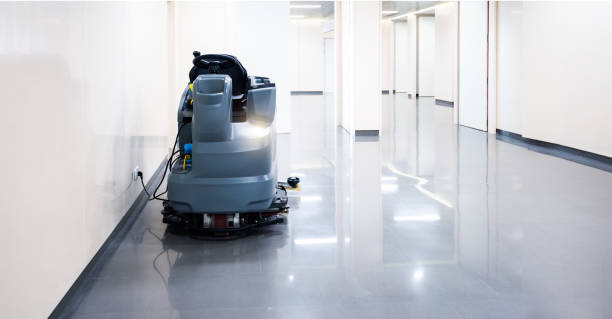
Cleaning for workplaces, managed properties, Airbnb and holiday lets, rental properties and homes where the aim is not simply to make a surface look better, but to use the right method for the soil, surface and environment. From routine office cleaning and carpet cleaning to deep cleans, end-of-tenancy, changeovers and after-builders work, we build the service around what the property actually needs.
People usually contact a cleaner because something is visible: dust, fingerprints, grease, limescale, marks on floors or a property that needs resetting before somebody moves in. But professional cleaning also means understanding what is causing the soil, which surfaces can tolerate which products, and how to avoid moving contamination from one area to another.
A desk, toilet, kitchen worktop, shower screen, painted wall and laminate floor should not all be treated with the same chemical or the same cloth. Stronger products are not automatically better. Some soils need detergent and agitation; mineral deposits need a different approach from grease; and disinfectants only work properly when they are used at the correct dilution and given the contact time specified by the manufacturer.
That is the standard we want reflected in our cleaning service. The service cards below open detailed guides explaining what we do, what customers gain from the service and the practical knowledge behind each type of cleaning.
When a property also needs attention to its glass, our window cleaning services can be arranged separately. For rental turnarounds that need a refreshed finish as well, explore our painting and decorating services.
Each card opens a detailed guide explaining what the service is for, what good cleaning should achieve and the practical knowledge behind the work.
Routine cleaning, holiday-let changeovers, end-of-tenancy work and deep cleaning solve different problems. Each guide explains the difference.
Cleaning is a combination of the right method, product, physical action and timing. The same approach should not be used on every surface or in every part of a building.
Visible soil can interfere with disinfection, so surfaces often need to be properly cleaned first.
Disinfectants need the manufacturer-specified time on the surface to work as intended.
Cloth and equipment separation helps stop dirt or contamination being carried from one area to another.
Strong chemicals or abrasives can damage finishes, so the method must suit the material.
Handles, taps, switches and shared controls can deserve more attention than low-touch decorative surfaces.
Routine work maintains a standard; deep cleaning deals with accumulated detail outside the normal cycle.
Where suitable, lower-impact products can be selected while still matching the soil, surface and required cleaning outcome.
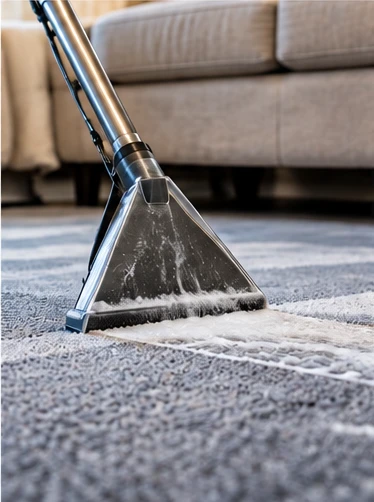
Dry soil removal, stain assessment, fibre compatibility and controlled moisture all influence the quality of carpet cleaning.
Airbnb cleaning has to combine hygiene, presentation and reliable changeover timing before the next guest arrives.
Cleaning is one of the specialist services provided by Wase Support Services. Our cleaning team supports homes, short-stay accommodation, landlords, workplaces, managed properties and suitable commercial premises, with the cleaning method adapted to the property, surface and level of use.
Our cleaning personnel are trained and matched to the environments and tasks they are assigned. Our service experience has been built over years of practical cleaning and property-support work. The approach includes understanding COSHH requirements for cleaning chemicals, following product instructions, reducing cross-contamination and recognising when a task falls outside ordinary general cleaning.
For commercial clients, that means cleaning around opening hours, footfall, shared facilities and access. For private customers, it means distinguishing ordinary maintenance from deep cleaning, property turnaround work and surfaces that need a more careful approach.
Learn more about Wase Support ServicesWase Support Services carries £5 million insurance cover for the services it provides.
Cleaning staff are assigned around the task and environment rather than treating every property as identical.
Cleaning chemicals are not harmless because they are familiar. Product information, dilution and safe use matter.
Our cleaning and property-support experience has developed through years of practical service delivery across different property types.
We can use lower-impact cleaning products where they are suitable for the surface, soil and required result.
We support private homes, short-stay properties, landlords, offices, property managers and suitable commercial premises.
Hazardous contamination, specialist restoration or tasks outside ordinary cleaning should be identified rather than hidden inside a general-cleaning promise.
Customers should understand what is being cleaned, why a method is being used and what result is realistic for the condition of the surface.
Insurance cover for the cleaning and property-support services Wase provides.
Staff are matched to the cleaning task and environment rather than relying on one generic method.
We distinguish grease, mineral deposits, dust and ordinary soil instead of assuming one chemical solves everything.
Cleaning tools and work order are considered so dirt and contamination are not unnecessarily moved between areas.
We explain what routine cleaning can improve and when damage, restoration or specialist work is outside the service.
Experience built across cleaning, property support and different service environments rather than one single property type.
Where suitable, we use lower-impact products while still matching the cleaning method to the surface and soil.
Cleaning support for homes, short-stay accommodation, landlords, offices, managed properties and suitable business premises.
Selected genuine feedback from the Wase Support Services Google Business Profile.
“Wase Support Services did my garden and cleaning for my Airbnb. Great job.”
Muhammad Ahmad“I like the way the team from Wase Support Services did my garden and house cleaning. Highly recommend.”
Lewis DonnellyWe serve Glasgow City Centre, Maryhill, Summerston, Bishopbriggs, Robroyston, Kirkintilloch, Lenzie, Cumbernauld, Bearsden, Milngavie, Clydebank, Govan, Paisley, Renfrew, Rutherglen, Cambuslang, Newton Mearns and East Kilbride. Nearby locations can be checked when you contact us.
Practical answers about disinfection, contact time, cross-contamination, surface damage, deep cleaning and what general cleaning can realistically achieve.
Cleaning removes dirt, grease and much of the contamination from a surface. Disinfection uses a suitable product to reduce microorganisms further. Where disinfection is required, surfaces normally need to be properly cleaned first unless a combined cleaner-disinfectant is being used exactly as directed.
A disinfectant needs to remain on the surface for the period stated by the manufacturer. Wiping it away immediately can mean the product has not had enough time to work as intended.
Some chemical combinations can release dangerous gases or cause other hazardous reactions. Cleaning products should be used according to their label and safety information rather than mixed together to make them seem stronger.
Colour coding is a simple visual control that helps keep cleaning equipment assigned to different areas, for example preventing a cloth used in a washroom from being reused in a kitchen or general office area.
They often need more frequent attention because many people repeatedly touch them. Examples include handles, switches, taps, flush controls, rails and shared appliance handles. The right frequency still depends on how the building is used.
No. Regular cleaning maintains an established standard. Deep cleaning gives more time to built-up soil, edges, fixtures and detail areas that are not normally covered at the same depth during a routine visit.
No. Cleaning removes removable soil. Permanent staining, worn surfaces, scratched finishes, damaged sealant, discolouration and other physical deterioration may remain after the area is clean.
Limescale is mainly mineral deposit left by water, while grease is oily soil. They respond to different chemistry, so using one strong all-purpose product for both can be ineffective or unsuitable for the surface.
External surfaces may be included where suitable, but electronics require a careful method. Liquids should not be sprayed directly into equipment, and manufacturer guidance should be followed for screens, keyboards and specialist devices.
The scope can include agreed floors, accessible surfaces, receptions, washrooms, staff kitchens, meeting rooms, corridors, bins and other internal areas. The exact tasks and frequency should be written around the premises rather than assumed.
Yes, early-morning, evening or weekend arrangements can be discussed where this is practical for the site, access arrangements and required cleaning schedule.
Typical work can include kitchens, bathrooms, bedrooms, living areas, floors, skirting, accessible fixtures and touchpoints. Appliance interiors, cupboards, windows and other detail items should be agreed in the scope rather than assumed.
No cleaning company can guarantee a deposit decision. Cleaning can support a good handover, but deposit outcomes also depend on tenancy terms, condition, damage, inventory evidence and matters outside the cleaner’s control.
Suitable after-builders cleaning can be discussed once building work is complete and the area is safe for ordinary cleaning. Fine dust can settle again after the first pass, and hazardous construction dust or unfinished work may require specialist controls before general cleaning begins.
Hazardous or specialist contamination should not automatically be treated as ordinary general cleaning. Sharps, unknown hazardous substances, significant body-fluid contamination or other specialist risks may require separate assessment and an appropriate specialist service.
Yes. Carpet cleaning can be provided for suitable properties. The method depends on the carpet, level of soil, staining and drying conditions. Not every stain is guaranteed to disappear because some marks represent permanent fibre or colour damage rather than removable soil.
Yes. We provide short-stay and Airbnb changeover cleaning for suitable properties. The service can cover bathrooms, kitchens, bedrooms, living spaces, floors, touchpoints and presentation areas, with host-specific tasks such as linen handling or restocking agreed separately.
Where suitable, we can use lower-impact or eco-conscious cleaning products. Product choice still has to match the surface, type of soil and required cleaning result, so an eco product is selected because it is suitable rather than simply because of the label.
Our service experience has been built over years of practical cleaning and property-support work across domestic, landlord, short-stay and commercial environments. Staff are matched to the task and property they are assigned.
Yes. Wase Support Services carries £5 million insurance cover for the services it provides.
Read our latest cleaning guidance, property-care information and practical advice from Wase Support Services.

Looking for reliable property and facilities support? Tell us about your premises, service requirements and priorities. Our team is ready to discuss a practical solution built around your property or organisation.