Arrival & Entry Readiness
Entrances, queues, access routes and public areas need to be ready before doors open and kept clear.

Professional property and facilities support across Glasgow and surrounding areas.
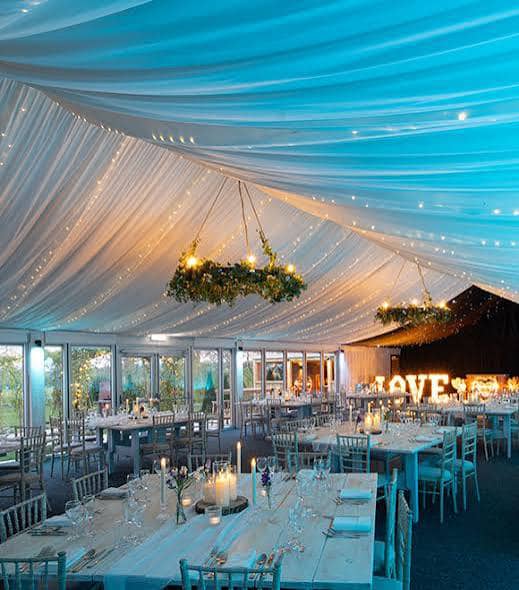
Events compress a large amount of activity into a short period. Arrivals, queues, entrances, toilets, public areas, security, cleaning, staff communication and post-event turnaround all have to work together. Facilities support should be tied into the organiser or venue’s plan.
The event lifecycle creates different facilities priorities at setup, opening, peak operation, close and post-event turnaround.
Entrances, queues, access routes and public areas need to be ready before doors open and kept clear.
Facilities activity must not obstruct circulation, exits, queue routes or event controls.
Toilets, concourses and entrances may need responsive cleaning rather than a fixed once-per-event approach.
After close, cleaning and resetting may need to happen quickly for the next use.
These are practical site situations, not invented case studies. They show the kind of operating detail that should influence how the work is planned.
Entrances, public routes and toilets need to be ready before the audience arrives. Last-minute equipment or cleaning activity should not interfere with queues, access routes or the event team’s opening plan.
A live event needs a controlled response that deals with the issue without creating a crowd obstruction. The facilities team also needs to know who to contact if the incident affects a wider operational area.
Once the public leaves, the priority may change completely. Cleaning, waste removal and reset work may need to happen quickly so the venue is ready for the next use. That turnaround should be planned before the event.
The point is not to arrive with a standard checklist. The work should be shaped by access, people, timing, site rules and what is actually happening around the task.
Keep equipment, waste and cleaning activity away from crowd routes unless areas are controlled.
Plan for spills, washrooms, litter and high-use areas during live operation.
Integrate security duties with venue communications, escalation and event arrangements.
Agree turnaround standards and access time before the event.
You can appoint one service or combine suitable requirements. The important part is defining the real work, access, timing and responsibilities before delivery starts.
Guarding, door supervision and agreed security duties with appropriately licensed personnel where required.
Pre-event, live-operation or post-event cleaning for suitable public and support areas.
Suitable reception, directions, visitor support and communication duties.
Suitable glass and entrance cleaning before guests arrive.
Suitable grounds and exterior presentation around permanent venues and event sites.
Suitable hard surfaces and external areas cleaned as part of the agreed reset.
The sequence matters less than getting the basics right: understand the environment, agree the boundaries, choose sensible service windows and keep communication clear.
Confirm layout, routes, restricted areas, contacts, communications and the facilities scope.
Complete agreed presentation and cleaning before public arrival.
Respond within the agreed role while keeping crowd routes and exits clear.
Work to the venue’s close-down plan and public-departure timings.
Complete post-event tasks and feed back issues for the next event.
A polished proposal means very little if the contractor is difficult to reach, misses access arrangements or sends people who do not understand the assignment. These are the standards we want the working relationship to be built around.
Insurance cover that supports procurement confidence for the facilities and property services we provide.
People are matched to duties with appropriate training, competence and role requirements in mind.
Clear appointment windows, recurring schedules and communication when access or operating conditions change.
The scope, access, timing and practical controls are agreed around the actual property rather than copied from another contract.
Where an activity requires an SIA licence, appropriately SIA-licensed personnel are assigned.
A clear route for updates, changes, site issues and agreed escalation throughout delivery.
Practical answers before you appoint a contractor or combine several facilities services.
Suitable requirements can be discussed, with licensable activity assigned to appropriately SIA-licensed personnel.
Potentially, yes. The live-operation scope should identify public areas, washrooms, spill response and restricted zones.
Yes. Post-event cleaning can be planned around close-down, public departure and turnaround standards.
Not by default. Any specific security or stewarding duties must be clearly defined, while the organiser or venue remains responsible for the overall event-safety arrangements.
Yes, suitable reception, directions and visitor-support duties can be discussed.
Yes. Recurring arrangements can refine staffing, timing and service standards over time.
Tell us the venue, expected operating pattern and the support you need before, during and after the event. We can define the role clearly.